Table of Contents
Peggy Worksheets | Comparing Presidents Foreign And Domestic Policies Worksheet Answers – Embrace the learning journey through presidential history by helping your child grow with engaging presidential practice! The Comparing Presidents Foreign And Domestic Policies Worksheet Answers are purposefully built to blend historical context with essential educational practice. Each worksheet is designed to strengthen key abilities in areas like word knowledge, logic, hand-eye coordination, and cognitive challenges—all wrapped up in interactive, kid-friendly tasks that kids will love. Make every study moment a step toward deeper understanding.
 Are you looking for answers to the worksheet on comparing presidents’ foreign and domestic policies? Look no further! In this article, we will explore the key points to consider when analyzing the policies of different presidents. By understanding their approaches to both domestic and foreign affairs, we can gain valuable insights into their leadership styles and priorities.
When comparing presidents’ foreign and domestic policies, it is important to consider how they approached each area of governance. Foreign policy encompasses a president’s actions and decisions regarding interactions with other countries, including diplomacy, trade agreements, and military interventions. On the other hand, domestic policy focuses on issues within a country, such as healthcare, education, and economic regulations. By examining how presidents address these different areas, we can better understand their overall priorities and values.
Analyzing Foreign Policies
When analyzing a president’s foreign policy, consider their approach to international relations and how they navigate complex global issues. Some presidents may prioritize diplomacy and seek peaceful resolutions to conflicts, while others may take a more aggressive stance. Evaluating their decisions on trade agreements, alliances, and military interventions can provide insights into their foreign policy priorities. Additionally, considering how a president engages with international organizations like the United Nations and NATO can shed light on their commitment to multilateral cooperation.
Evaluating Domestic Policies
In evaluating a president’s domestic policies, it is essential to examine their initiatives and reforms aimed at addressing issues within the country. This can include healthcare reforms, education initiatives, economic policies, and social welfare programs. By analyzing how a president approaches these areas, we can gain a better understanding of their priorities and values when it comes to improving the lives of their citizens. Additionally, considering how a president engages with Congress and state governments can provide insights into their ability to enact meaningful change domestically.
Whether you are studying history, political science, or simply interested in understanding the impact of different presidents, comparing their foreign and domestic policies can offer valuable insights. By examining their approaches to international relations and domestic issues, we can better understand their leadership styles and legacies. So, next time you are analyzing a president’s policies, remember to consider both their foreign and domestic actions for a comprehensive understanding of their presidency.
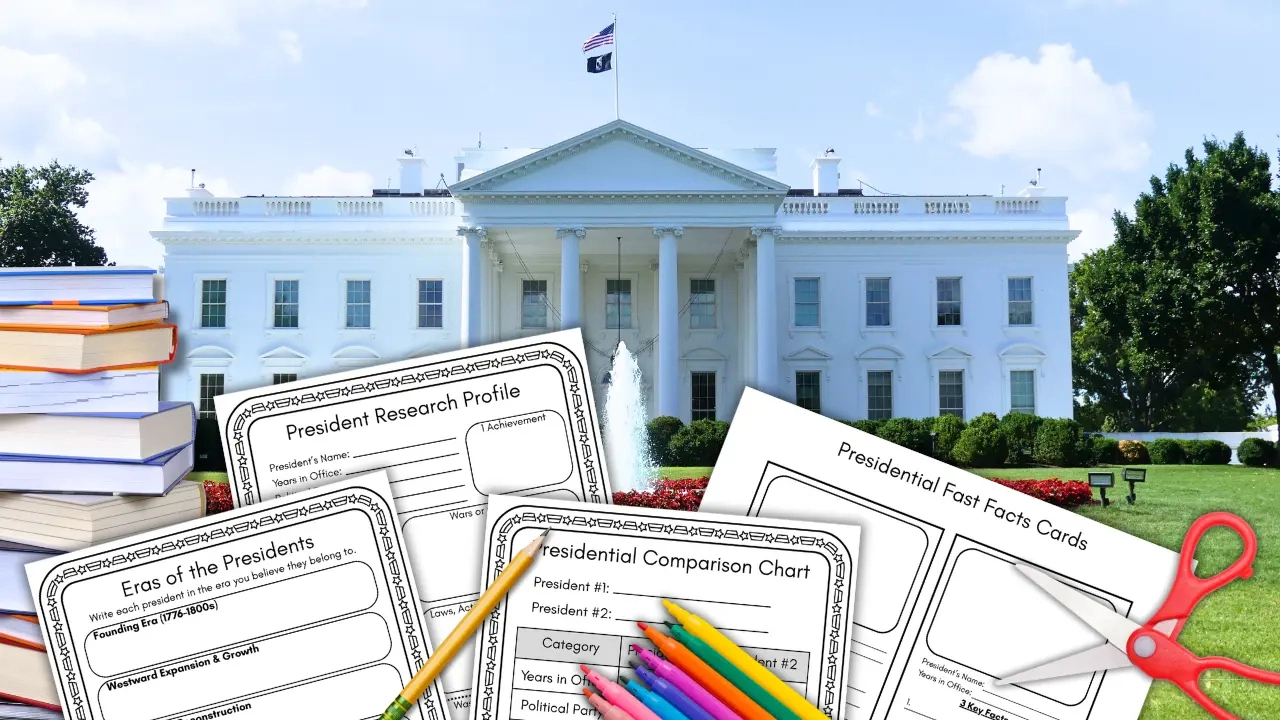
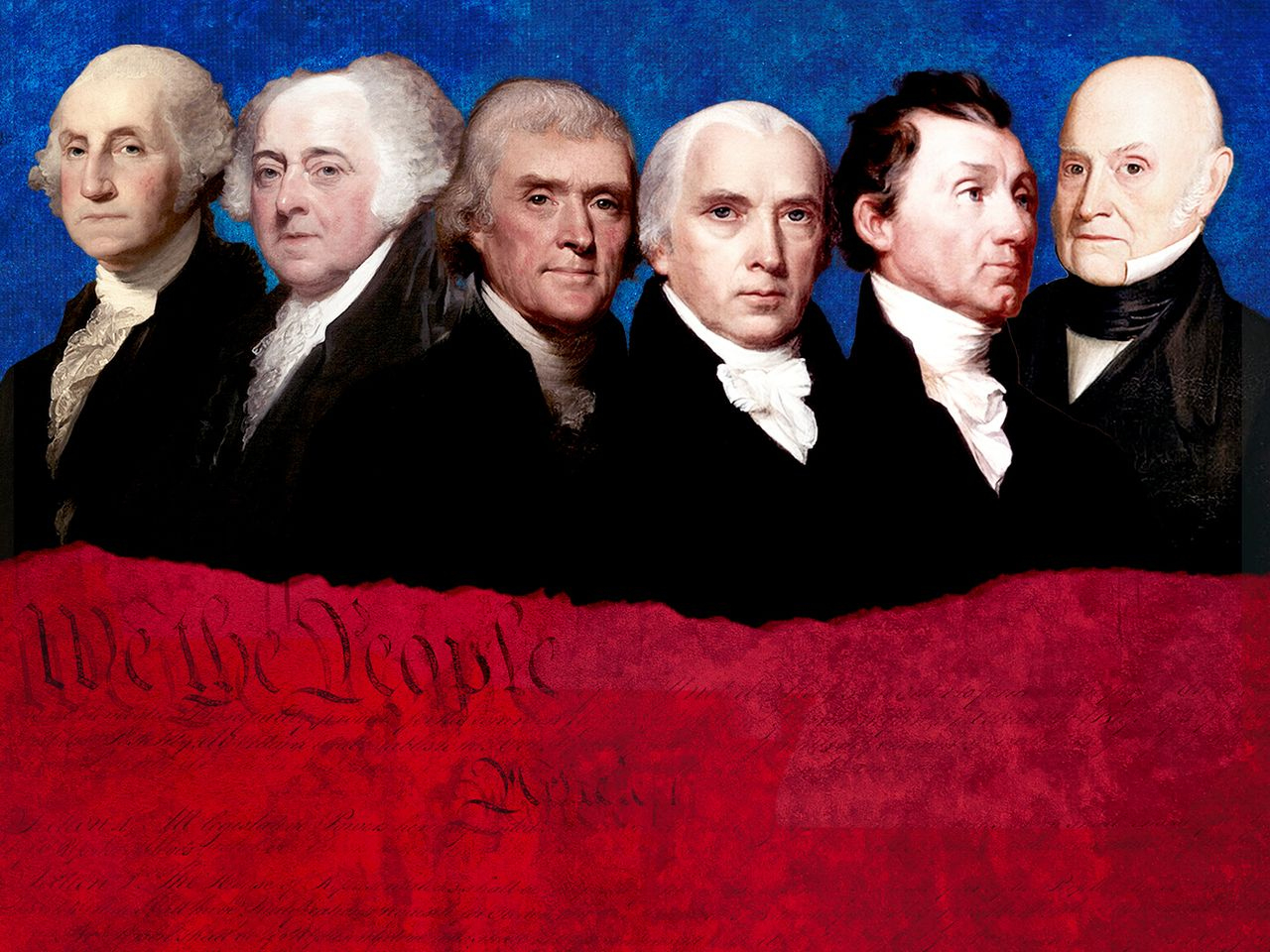 President Worksheets:
Copyright Disclaimer: The images featured on this platform are sourced from publicly available online resources and are copyrighted by their original creators. We do not claim copyright ownership of these materials. If you are the copyright owner, please contact us to arrange for proper credit or to request removal.